Annapurna
Annapurna
A legacy of trust.
The future of impact
A legacy of trust.
The future of impact
Delivering carbon projects that regenerate ecosystems and strengthen communities—designed to last for generations.
Delivering carbon projects that regenerate ecosystems and strengthen communities—designed to last for generations.
Annapurna is a revered figure in Hindu mythology, known as the goddess of food and nourishment. Her name comes from Sanskrit:
- “Anna” (अन्न) means food or grains
- “Purna” (पूर्ण) means full, complete, or perfect
Together, Annapurna translates to “she who is full of food” or “giver of nourishment”
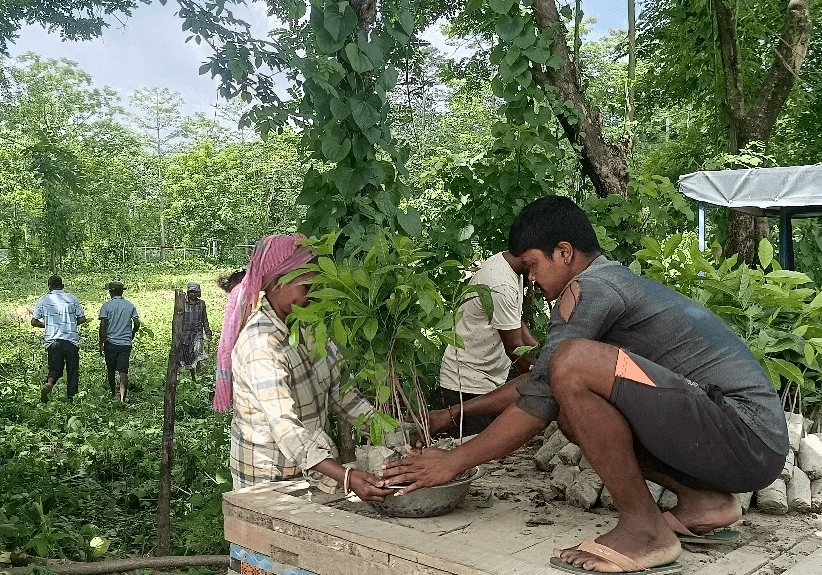
The Annapurna initiative delivers community-led climate action through integrated programs across Eastern India. It plans to restore 5,000 hectares of degraded uplands through biodiversity-rich reforestation with 7,500 smallholder farmers,
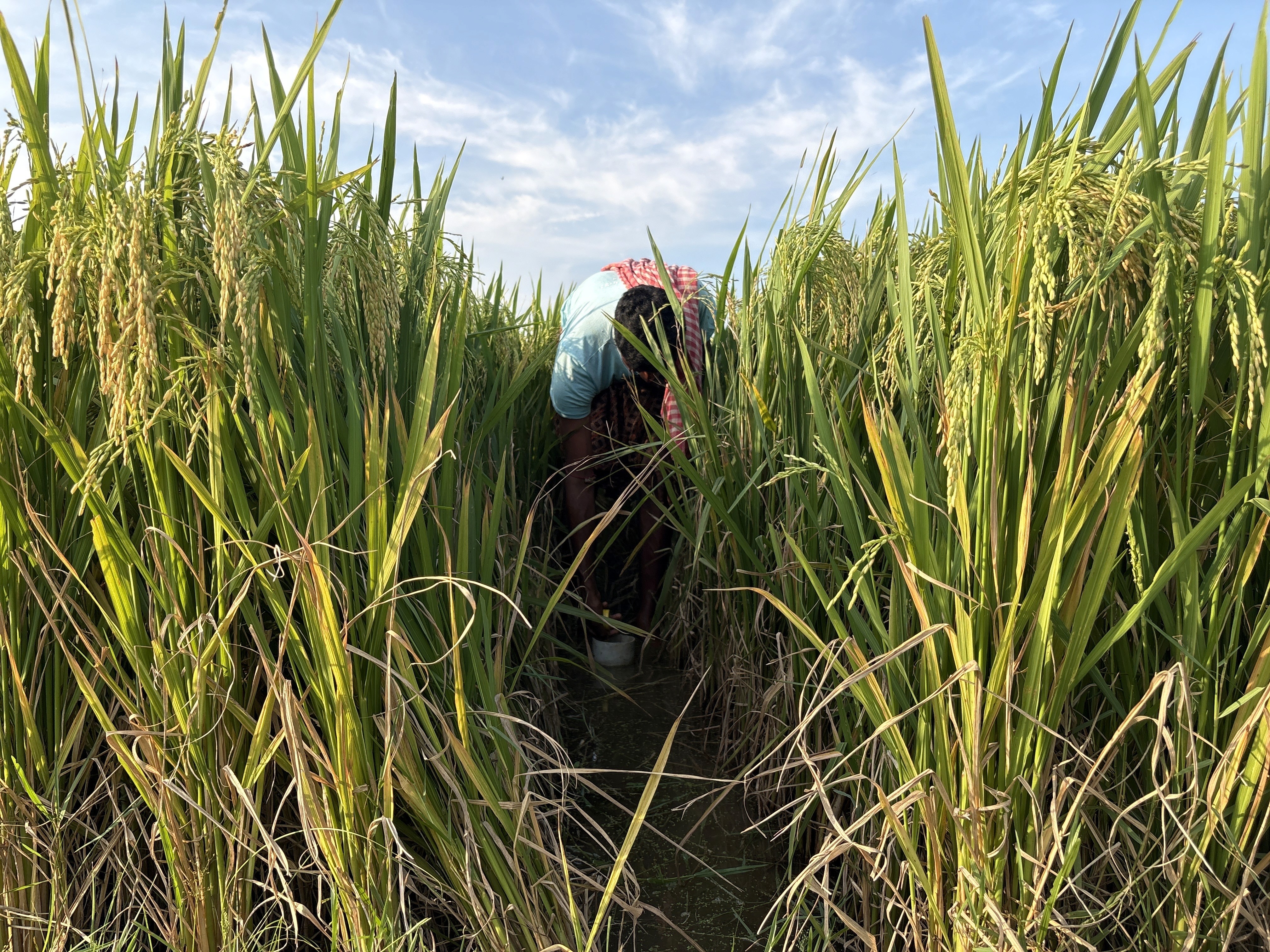
Another initiative will promote sustainable agriculture by implementing water-efficient alternate wetting-drying (AWD) practice across 100,000 hectares of rice paddies, benefiting 100,000 farming households in the rice heartland of West Bengal state.
Annapurna is a revered figure in Hindu mythology, known as the goddess of food and nourishment. Her name comes from Sanskrit:
- “Anna” (अन्न) means food or grains
- “Purna” (पूर्ण) means full, complete, or perfect
Together, Annapurna translates to “she who is full of food” or “giver of nourishment”
The Annapurna initiative delivers community-led climate action through integrated programs across Eastern India. It plans to restore 5,000 hectares of degraded uplands through biodiversity-rich reforestation with 7,500 smallholder farmers,
Another initiative will promote sustainable agriculture by implementing water-efficient alternate wetting-drying (AWD) practice across 100,000 hectares of rice paddies, benefiting 100,000 farming households in the rice heartland of West Bengal state.
Annapurna is a revered figure in Hindu mythology, known as the goddess of food and nourishment. Her name comes from Sanskrit:
- “Anna” (अन्न) means food or grains
- “Purna” (पूर्ण) means full, complete, or perfect
Together, Annapurna translates to “she who is full of food” or “giver of nourishment”
The Annapurna initiative delivers community-led climate action through integrated programs across Eastern India. It plans to restore 5,000 hectares of degraded uplands through biodiversity-rich reforestation with 7,500 smallholder farmers,
Another initiative will promote sustainable agriculture by implementing water-efficient alternate wetting-drying (AWD) practice across 100,000 hectares of rice
paddies, benefiting 100,000 farming households
in the rice heartland of West Bengal state.
TARGET IN 10 YEARS
TARGET IN 10 YEARS
As a data driven team, we let the numbers speak for us
As a data driven team, we let the numbers speak for us
0
0
Hectares in place
Our AWD pilot project is in the initiation phase, aiming to reduce methane emissions and water usage across 100,000 hectares of rice fields. Additionally, we plan to undertake reforestation efforts across 5,000 hectares
0+
0+
Trees and Growing
We’re restoring degraded land through native reforestation, turning barren ground into thriving ecosystems
0+
0+
Direct beneficiaries
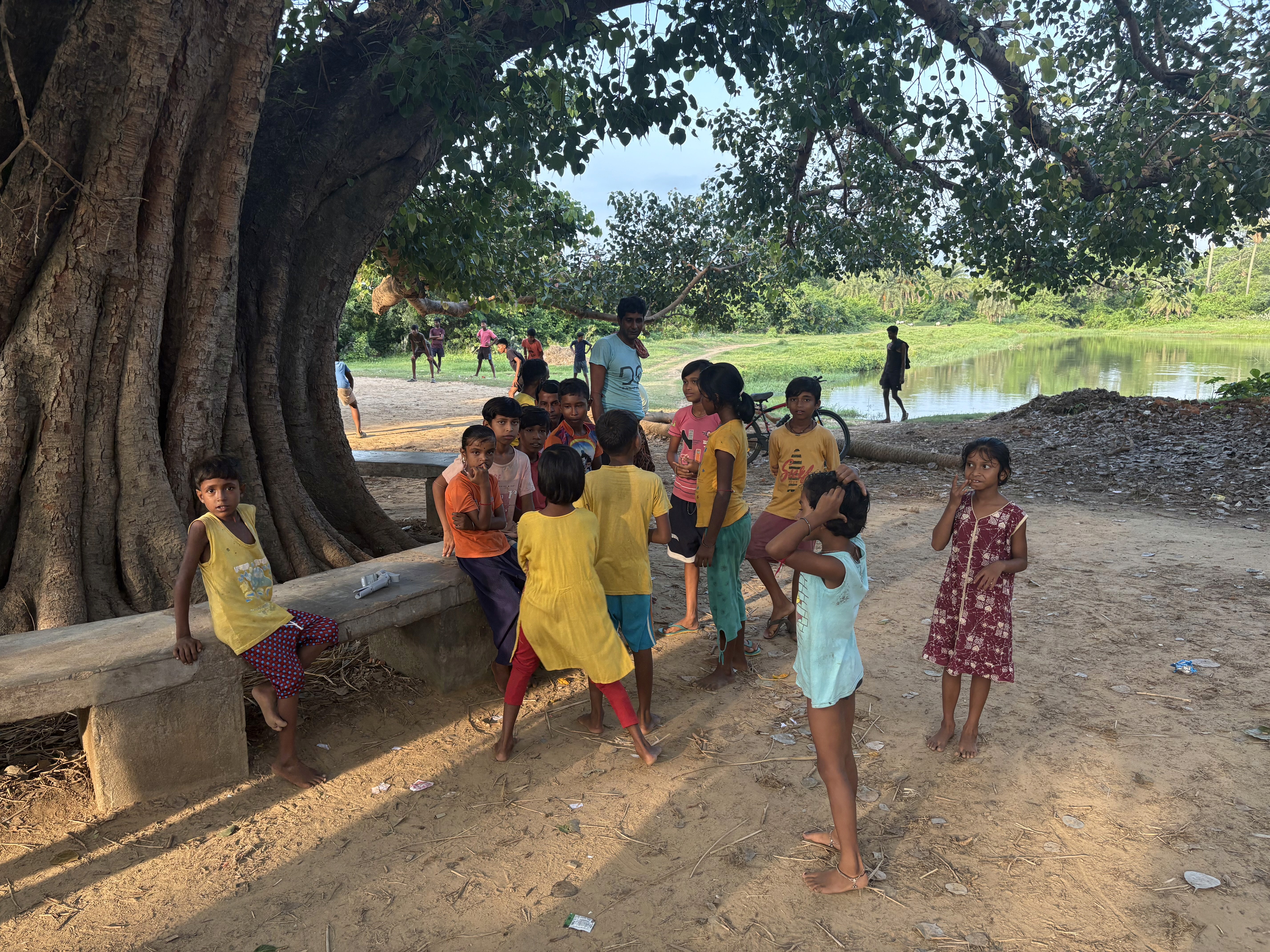
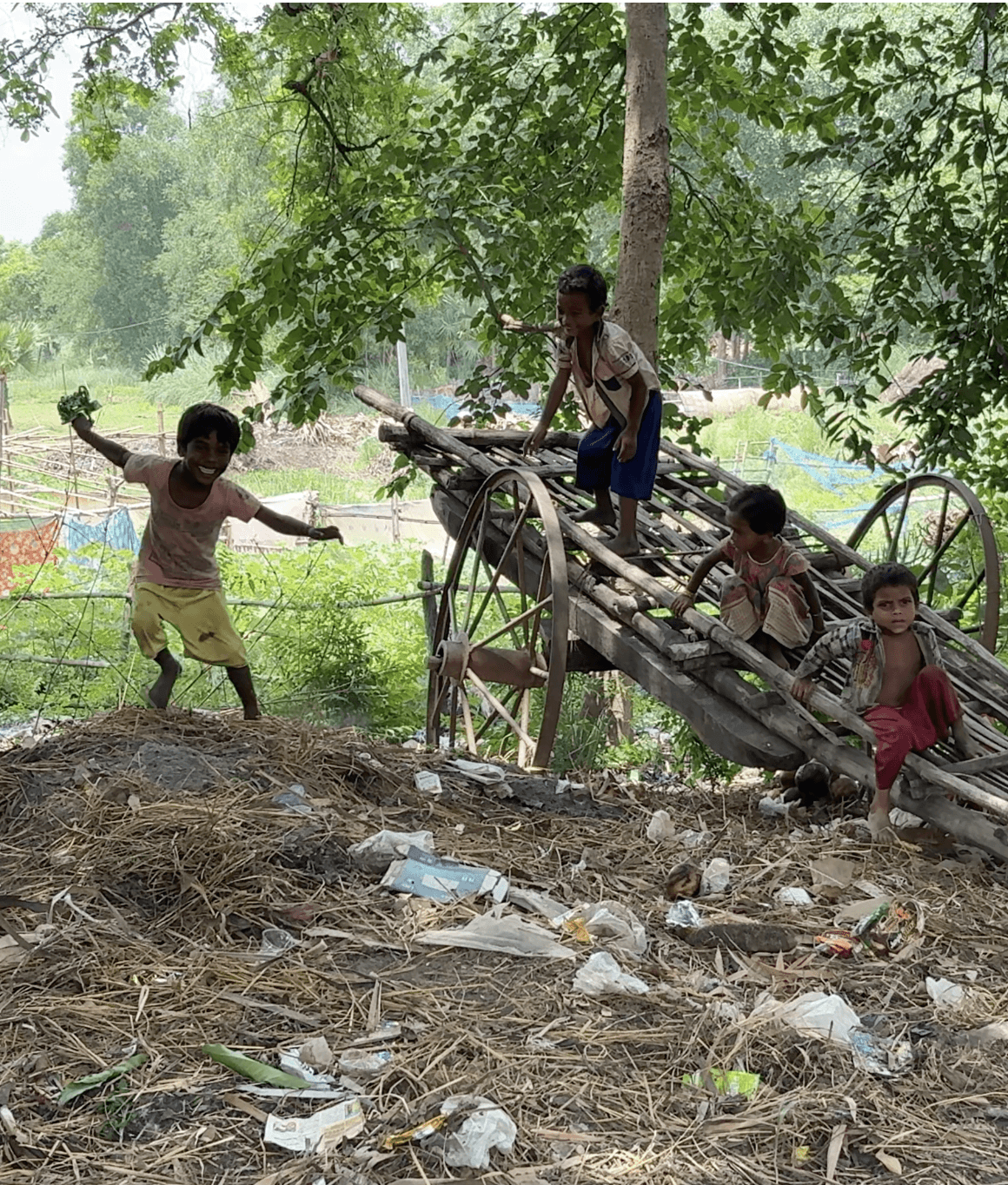
Over 11,000 smallholder families are planned to benefit directly through income generation, skill training, and enhanced climate resilience
Global Expertise combined with
Local Knowledge
Annapurna blends global climate expertise with strong community ties in rural India. Our team includes carbon market specialists from Europe with proven success in high-integrity projects under VCS and Gold Standard.
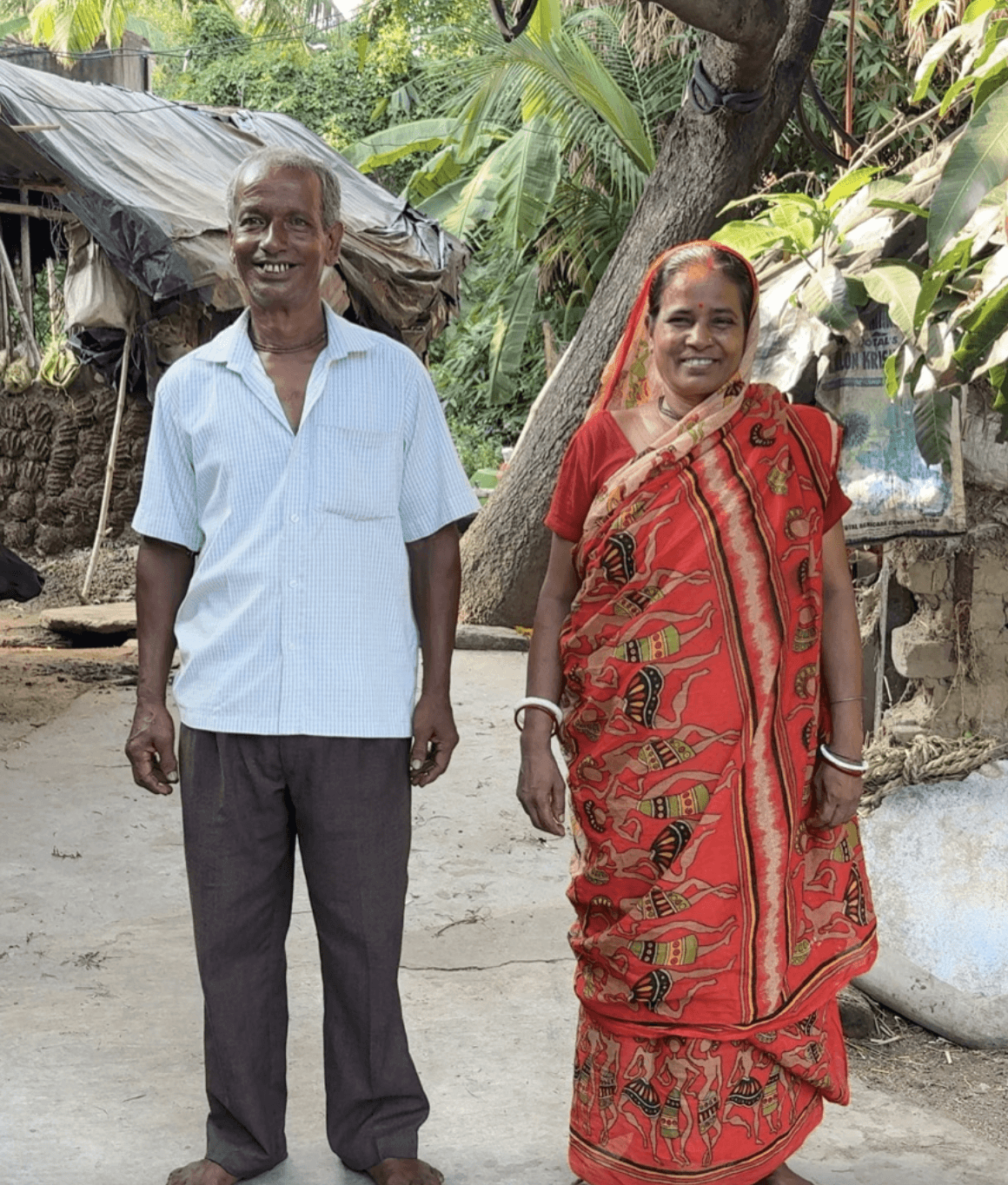
Their MRV and carbon finance expertise meets 30+ years of grassroots experience by Annapurna’s Indian founders, who’ve worked closely with smallholder communities in West Bengal.
The result: carbon projects that are not only verifiable and science-based, but embedded in trust, social equity, and long-term local stewardship.
Reforestation Projects: keeping carbon in the ground
Tomorrow's Foundation is piloting a large-scale AWD project across 100,000 hectares in five West Bengal districts to cut methane emissions by 60% and reduce groundwater use by 30–40%. With over 10,000 farmers already engaged, early results show 35% water savings and stable yields. Backed by regional agencies, the project aims to scale via carbon finance under the Gold Standard, enhancing livelihoods and climate resilience.
Overview
Our Projects
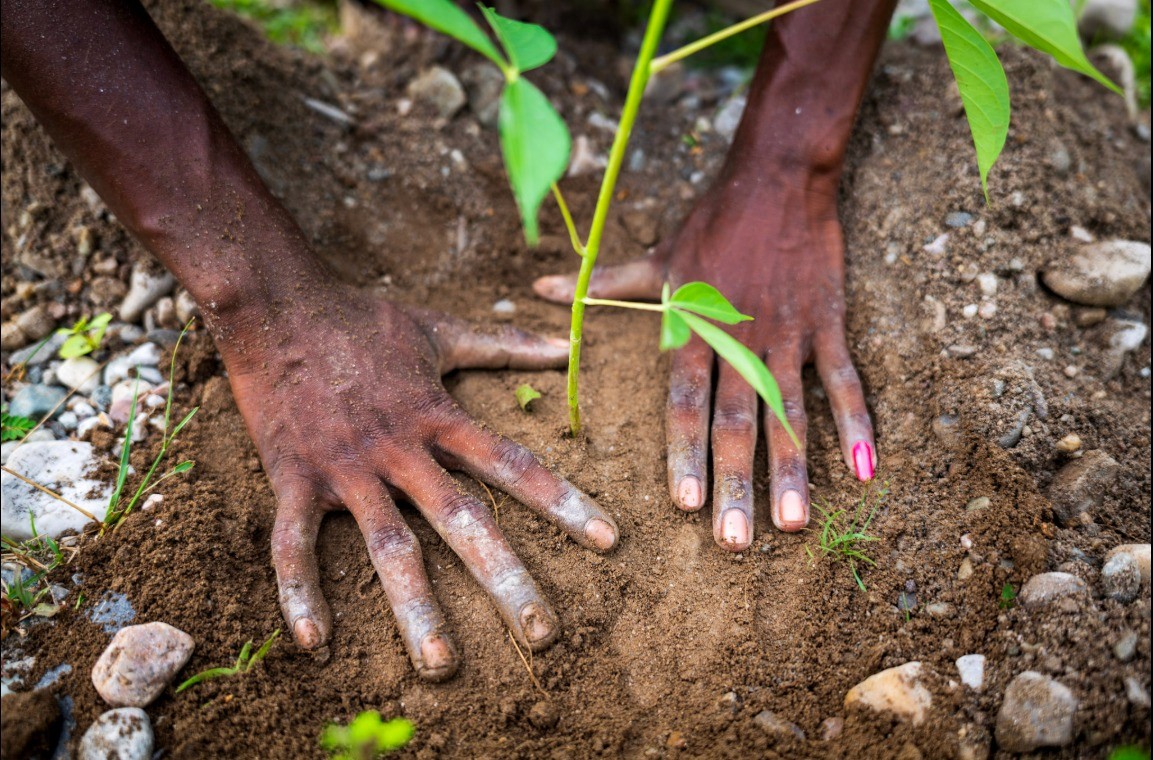
The Banani Project by Tomorrow’s Foundation is a 5,000-hectare reforestation effort in Jharkhand and West Bengal, supporting 7,500 tribal and smallholder farmers. It aims to sequester over 2 million tonnes of CO₂ in 30 years through native tree plantations and land restoration.
With 25+ indigenous species, it promotes biodiversity and livelihoods via non-timber forest products, while being aligned with carbon markets (Verra) and focused on community-led climate action.
Alternate Wetting and Drying: The new method of rice cultivation
Tomorrow's Foundation is piloting a large-scale AWD project across 100,000 hectares in five West Bengal districts to cut methane emissions by 60% and reduce groundwater use by 30–40%. With over 10,000 farmers already engaged, early results show 35% water savings and stable yields. Backed by regional agencies, the project aims to scale via carbon finance under the Gold Standard, enhancing livelihoods and climate resilience.
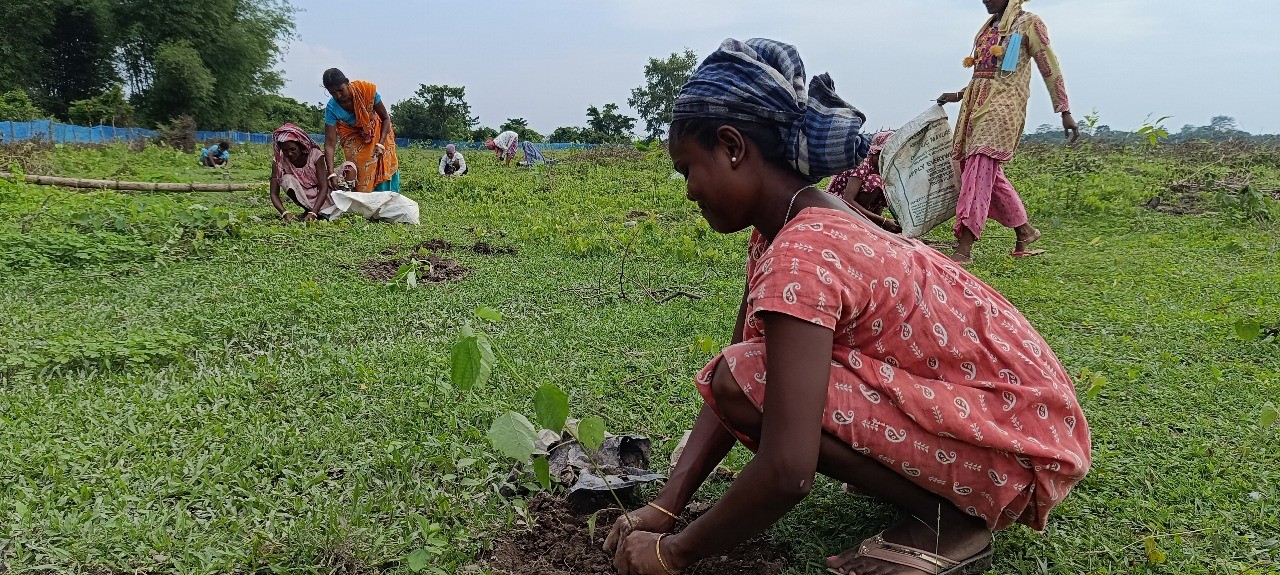
Reforestation Projects: keeping carbon in the ground
The Banani Project by Tomorrow’s Foundation is a 5,000-hectare reforestation effort in Jharkhand and West Bengal, supporting 7,500 tribal and smallholder farmers. It aims to sequester over 2 million tonnes of CO₂ in 30 years through native tree plantations and land restoration.
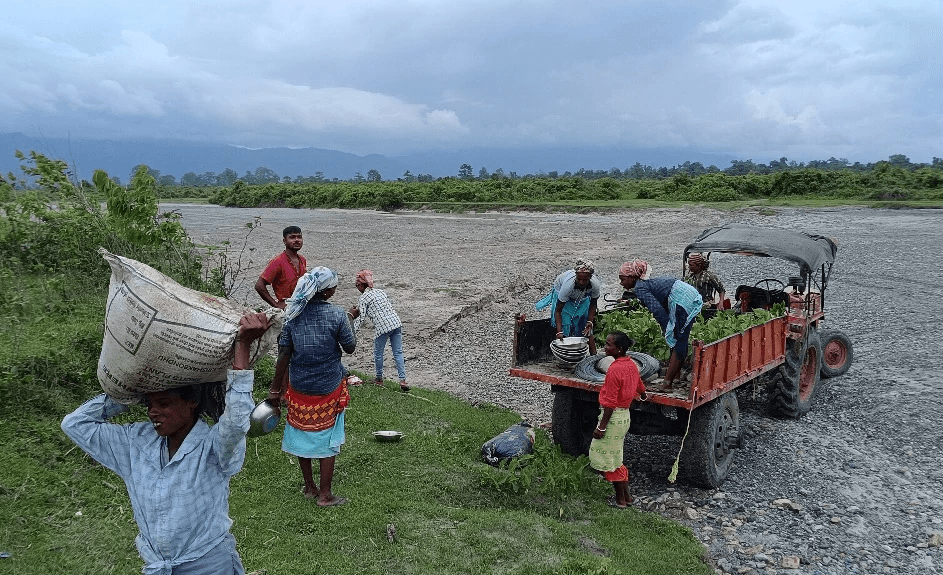
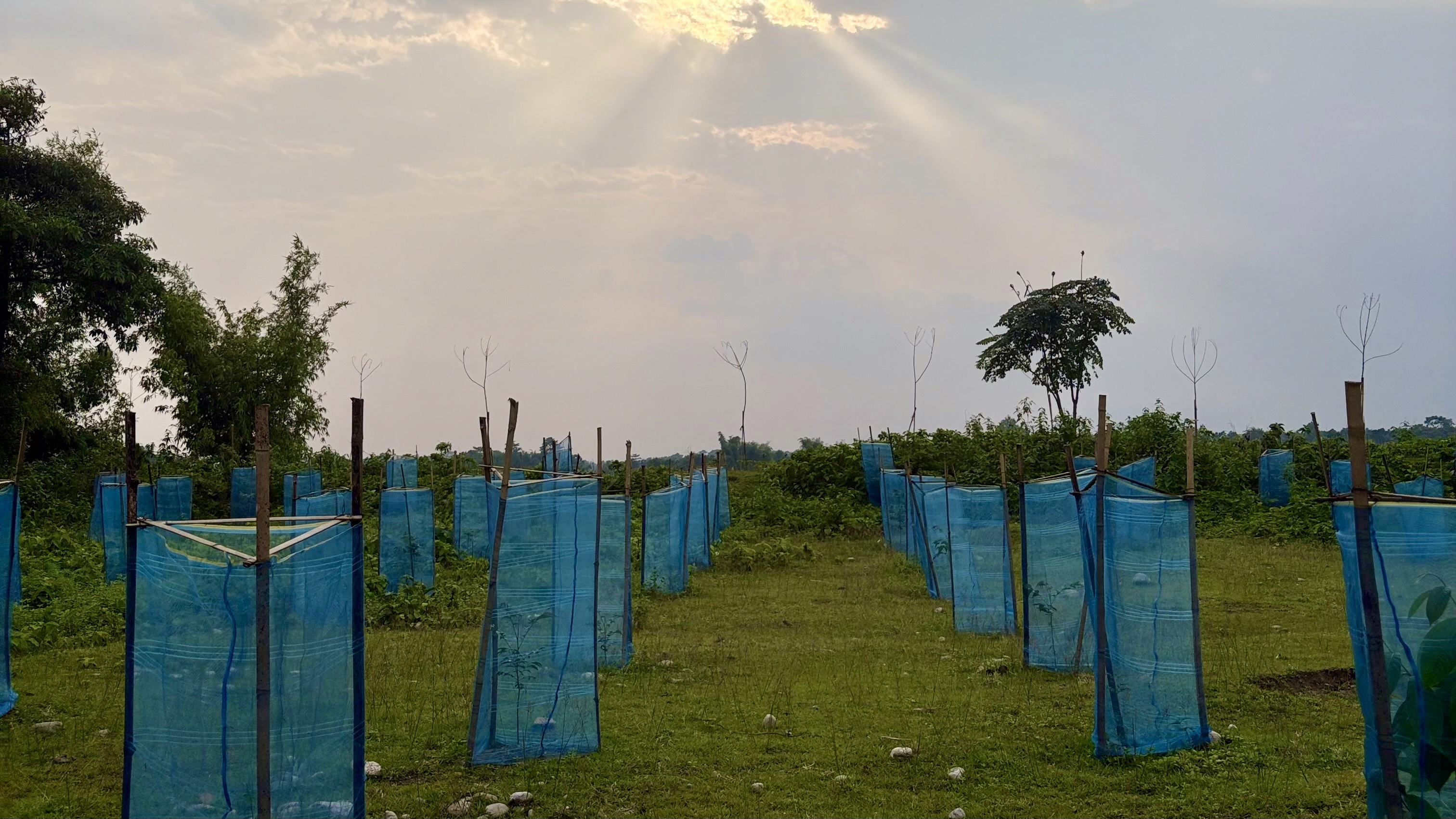
Also, 5,000 hectares of degraded land restoration in Arunachal Pradesh
OVERVIEW
OUR PROJECTS
Alternate Wetting and Drying: The new method of rice cultivation
Project Arun
Project Arun
5,000 hectares of degraded land restoration in Arunachal Pradesh
5,000 hectares of degraded land restoration in Arunachal Pradesh
5,000 hectares of degraded land restoration in Arunachal Pradesh
Our Carbon Credits are certified
by the highest standards
Annapurna’s carbon projects are developed in alignment with leading global certification frameworks, including Verra (VCS) and the Gold Standard. These independent standards ensure that every credit represents a real, measurable, and permanent reduction in greenhouse gas emissions.
> Projects are validated through strict criteria for additionality, monitoring, and community impact.
>This means our credits don’t just meet climate goals—they hold up to international scrutiny.
> When you invest in Annapurna, you invest in transparency, integrity, and lasting impact.
> When you invest in Annapurna, you invest in transparency, integrity, and lasting impact.
>This means our credits don’t just meet climate goals—they hold up to international scrutiny.
> Projects are validated through strict criteria for additionality, monitoring, and community impact.
Annapurna’s carbon projects are developed in alignment with leading global certification frameworks, including Verra (VCS) and the Gold Standard. These independent standards ensure that every credit represents a real, measurable, and permanent reduction in greenhouse gas emissions.
Our Carbon Credits are certified by the highest standards
Carbon Project: AWD Rice farming
Carbon Project: AWD Rice farming
Turning each hectare into a reliable source of climate-positive impact and farmer income.
Turning each hectare into a reliable source of climate-positive impact and farmer income.
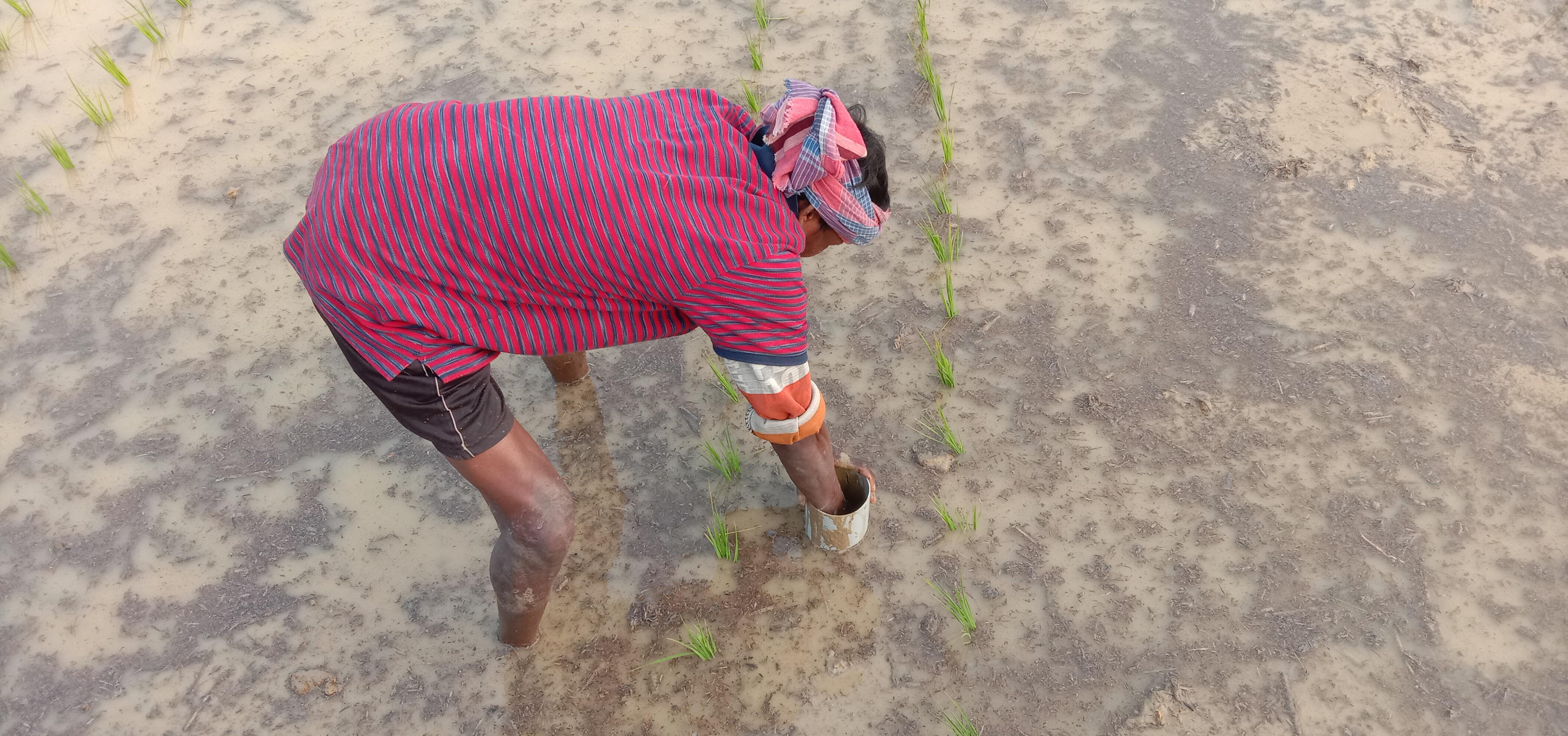
Reduction of methane emissions
30%-40% Reduction of water usage
30%-40% Reduction of water usage
Alternate Wetting and Drying (AWD) is a water-saving irrigation technique for rice cultivation that periodically drains fields instead of keeping them continuously flooded.
Lower costs and higher yields
Lower costs and higher yields
AWD helps farmers lower irrigation costs while increasing the average rice yields by 15% through healthier, more efficient growing conditions.
Flooded rice paddies create anaerobic soil conditions that trigger methane emissions—a greenhouse gas 28 times more potent than CO₂ over a 100-year timescale.
Reduction of methane emissions
Flooded rice paddies create anaerobic soil conditions that trigger methane emissions—a greenhouse gas 28 times more potent than CO₂ over a 100-year timescale.
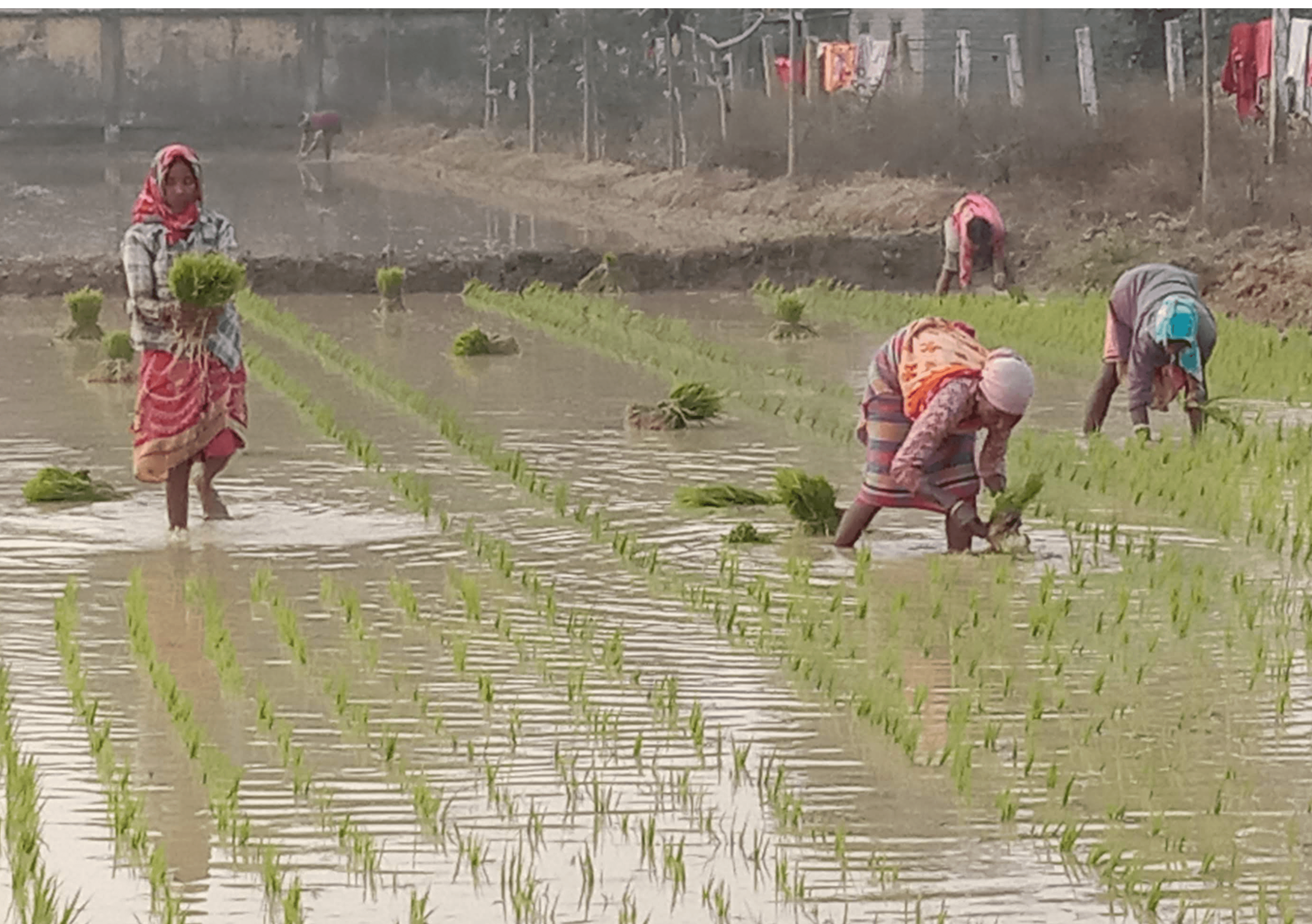

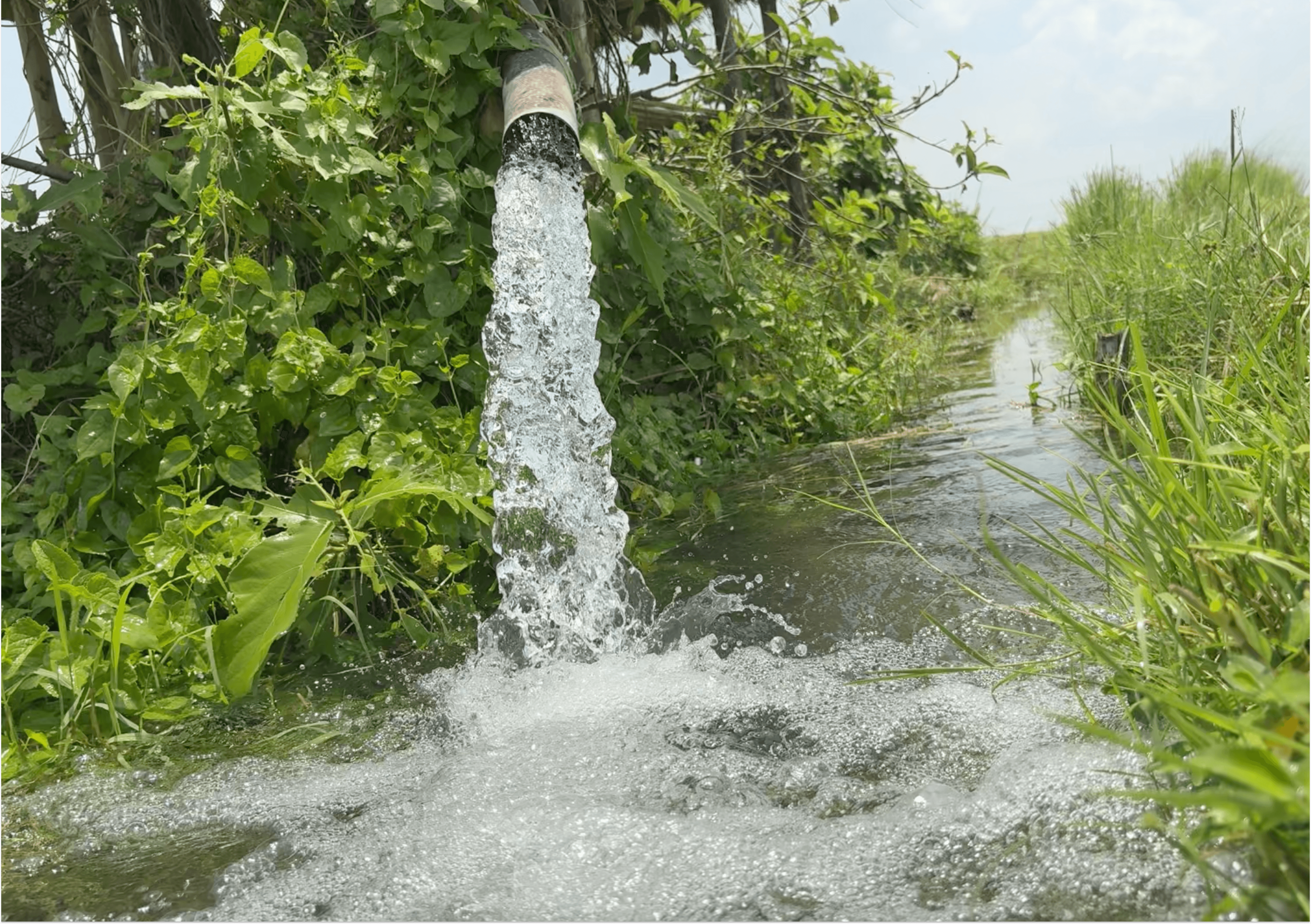

Hear directly from the field.
Hear directly from the field.
In this video, a farmer from Birbhum shares how AWD has changed the way he farms—and why he’s not looking back.
Methane: The Hidden Climate Cost of Rice Farming
Methane: The Hidden Climate Cost of Rice Farming

Rice cultivation is one of the world’s largest sources of agricultural methane — a greenhouse gas 28 times more potent than CO₂ over a 100-year period.
This happens because traditional flooded rice paddies create oxygen-free (anaerobic) conditions, which trigger methane-producing bacteria in the soil. These emissions are released into the atmosphere throughout the growing season — often unnoticed, but with massive cumulative climate impact: 10% of global methane emissions.
By changing how water is managed, we can drastically reduce this footprint — without compromising yields.
Rice cultivation is one of the world’s largest sources of agricultural methane — a greenhouse gas 28 times more potent than CO₂ over a 100-year period.
This happens because traditional flooded rice paddies create oxygen-free (anaerobic) conditions, which trigger methane-producing bacteria in the soil. These emissions are released into the atmosphere throughout the growing season — often unnoticed, but with massive cumulative climate impact: 10% of global methane emissions.
By changing how water is managed, we can drastically reduce this footprint — without compromising yields.
Carbon Project: Reforestation
Carbon Project: Reforestation
Growing trees - and carbon credits
Growing trees - and carbon credits
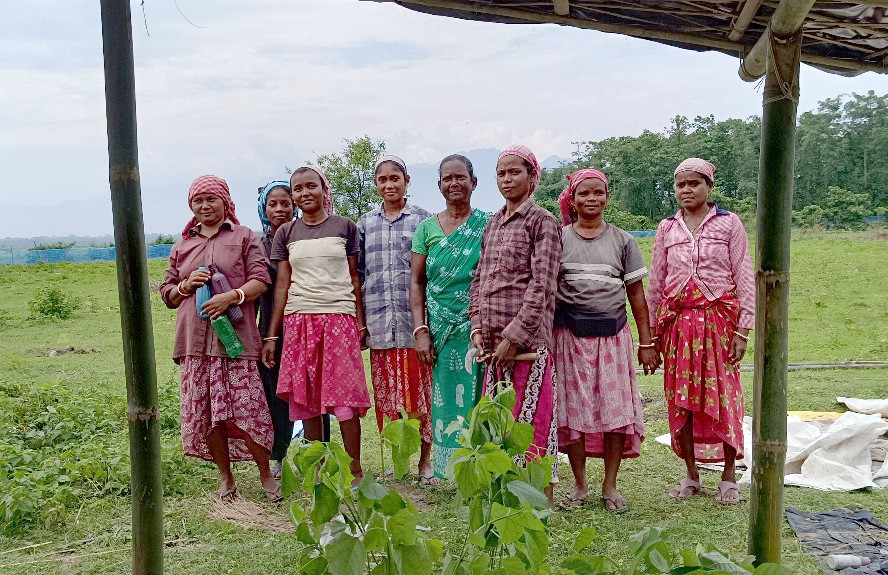
Reforestation is one of the most proven and scalable ways to remove carbon dioxide from the atmosphere. By planting native trees on degraded land, we restore ecosystems, improve biodiversity, and create long-term carbon sinks.
Unlike avoidance projects, reforestation actively pulls carbon from the air — and locks it into living biomass for decades. When combined with strong community ownership and third-party verification, reforestation becomes a high-integrity climate solution with measurable social and environmental impact.
Biodiversity is key for
natural resilience
Biodiversity is key for
natural resilience
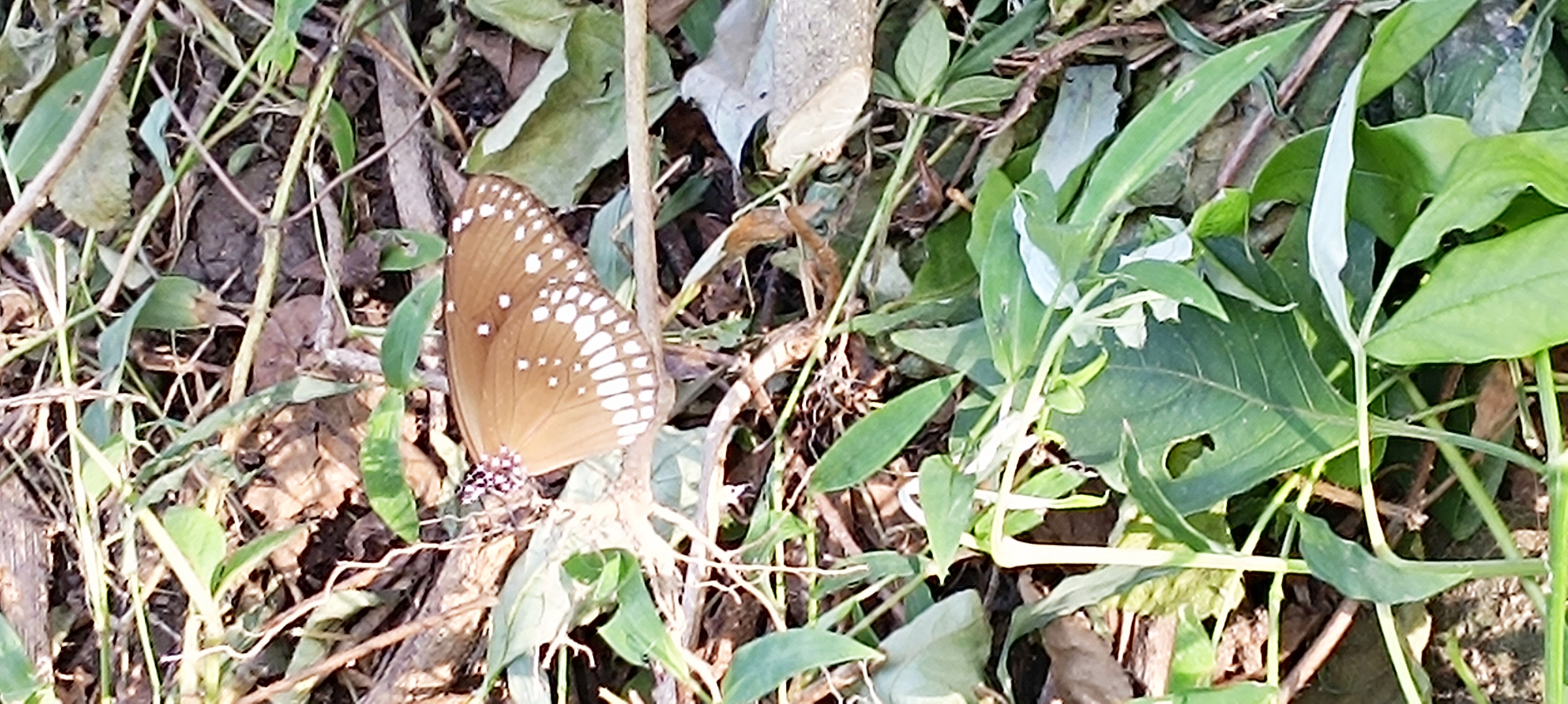
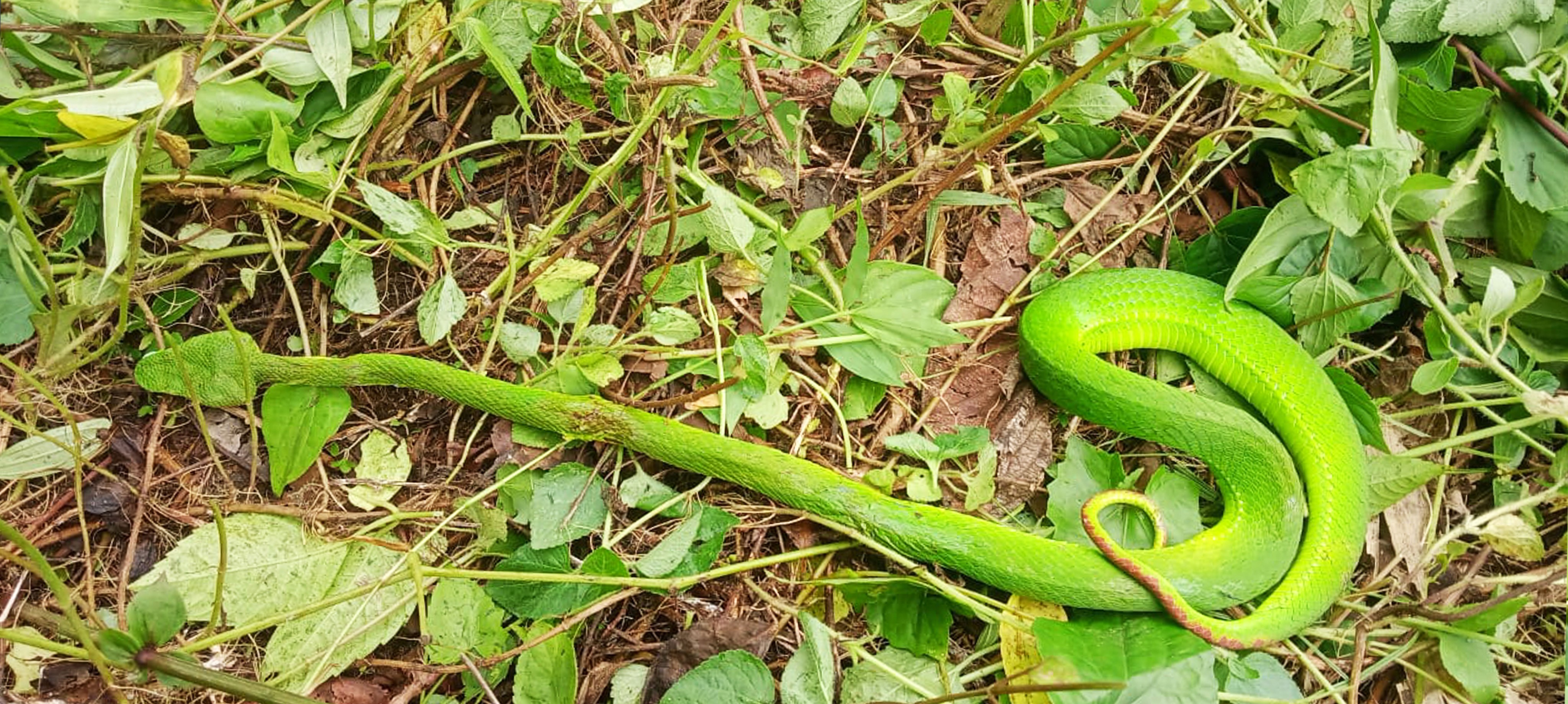
Our reforestation projects use a mix of 12 locally adapted species to support resilient, thriving ecosystems. We also cultivate native seedlings from scratch, strengthening local supply chains and ecological self-sufficiency.
Reforestation is one of the most proven and scalable ways to remove carbon dioxide from the atmosphere. By planting native trees on degraded land, we restore ecosystems, improve biodiversity, and create long-term carbon sinks.
Unlike avoidance projects, reforestation actively pulls carbon from the air — and locks it into living biomass for decades. When combined with strong community ownership and third-party verification, reforestation becomes a high-integrity climate solution with measurable social and environmental impact.
Our reforestation projects use a mix of 12 locally adapted species to support resilient, thriving ecosystems.We also cultivate native seedlings from scratch, strengthening local supply chains and ecological self-sufficiency.
WHO ARE WE?
Annapurna is spearheaded by industry-leading experts, including founders with over 30 years of hands-on experience working with rural communities in India to drive sustainable development and climate action.
Annapurna is spearheaded by industry-leading experts, including founders with over 30 years of hands-on experience working with rural communities in India to drive sustainable development and climate action.


CAROLINE VAN TILBORG
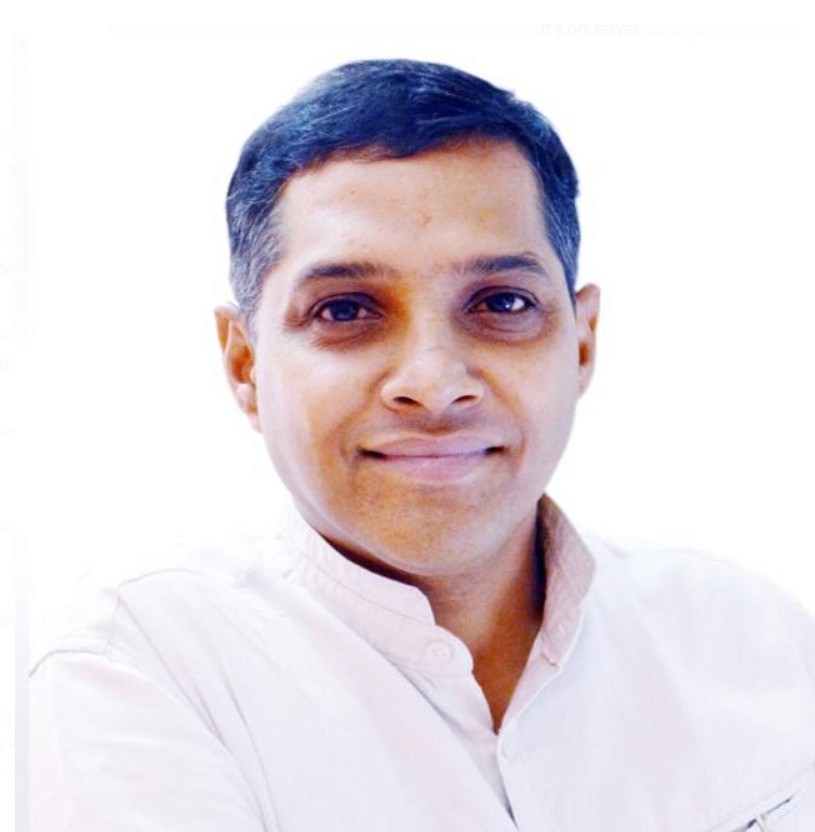
ARUP GHOSH

SUGNIK DAS
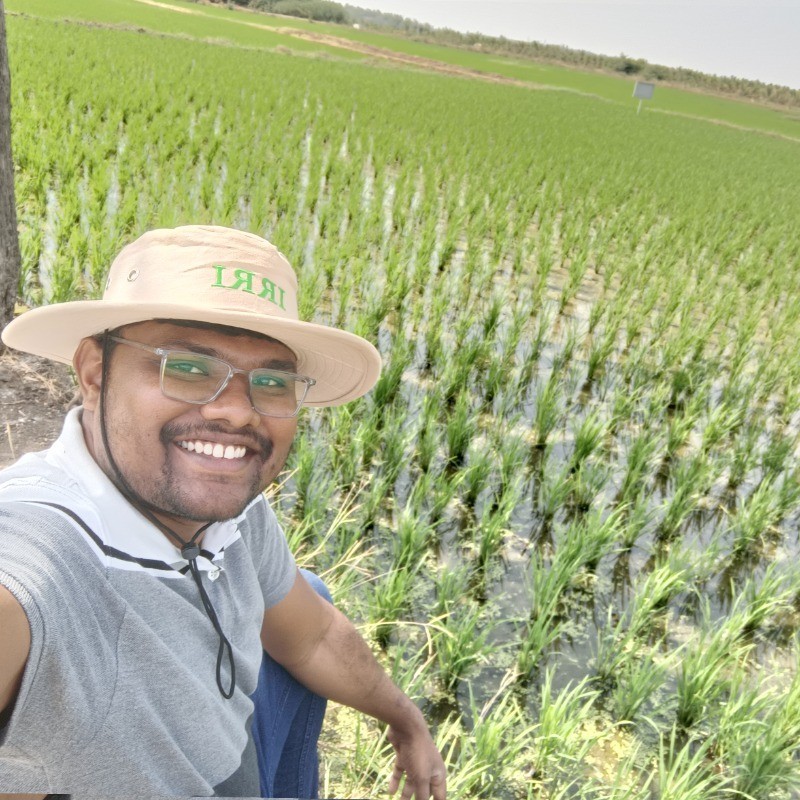
JOHNSON RAJU

GET IN TOUCH
We’re open to conversations with investors and collaborators who share our commitment to high-impact, community-driven climate solutions.
DR. MENDUP TAMANG
Forestry Expert

GET IN TOUCH
We’re open to conversations with investors and collaborators who share our commitment to high-impact, community-driven climate solutions.
GAUTAM HAJARIKA
Agronomist
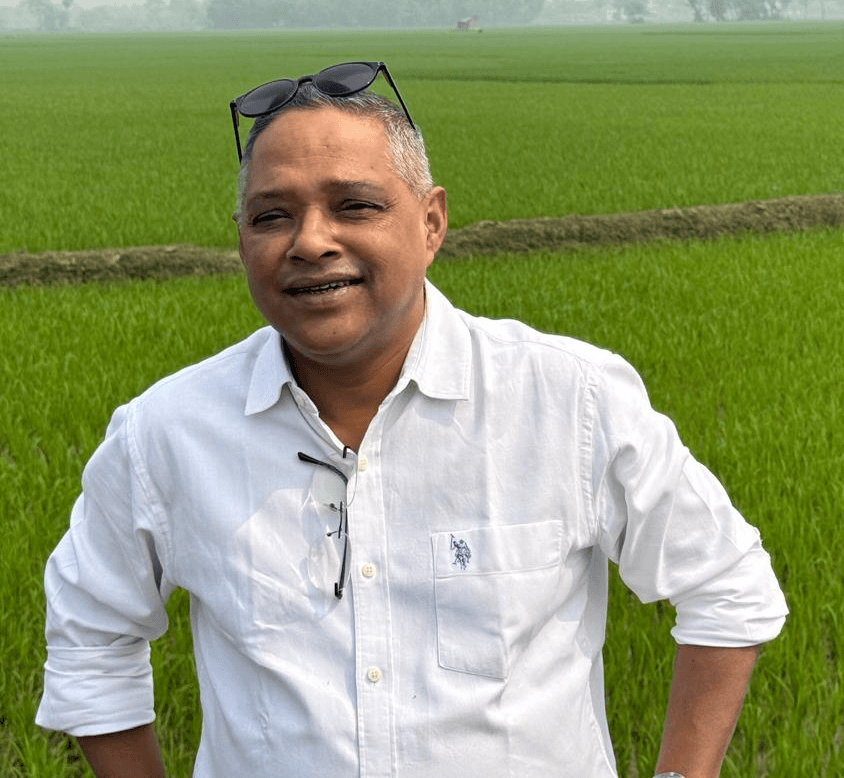
SWARUP GHOSH

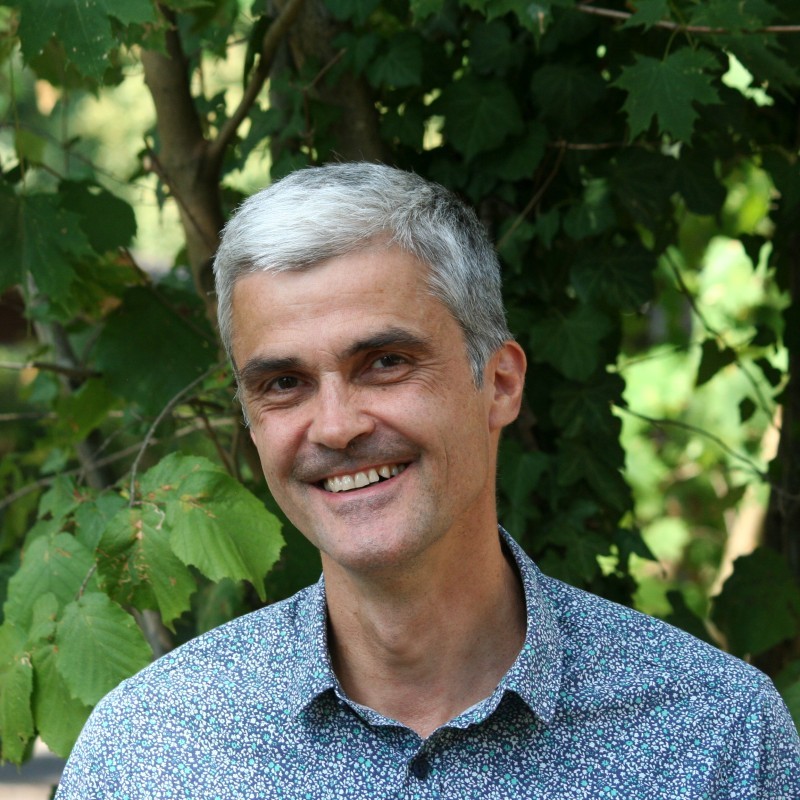
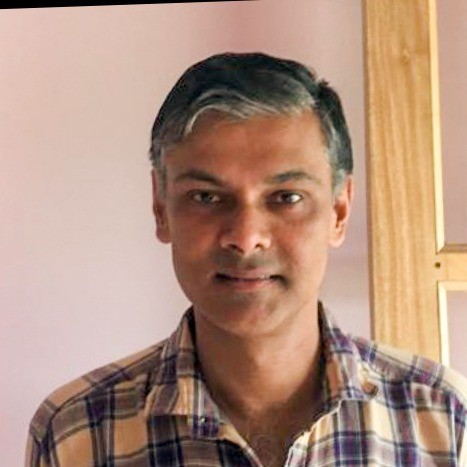



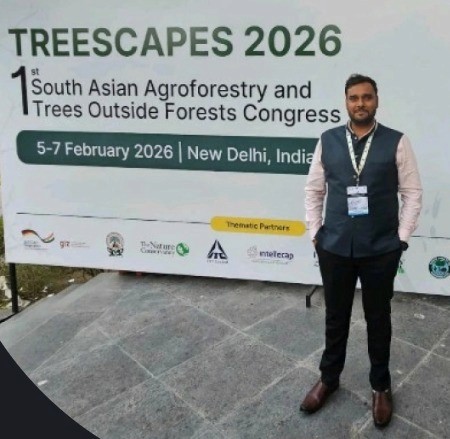
The Team
Annapurna is spearheaded by industry-leading experts, including founders with over 30 years of hands-on experience working with rural communities in India to drive sustainable development and climate action.
CAROLINE VAN TILBORG
ARUP GHOSH
SUGNIK DAS
JOHNSON RAJU
GET IN TOUCH
We’re open to conversations with investors and collaborators who share our commitment to high-impact, community-driven climate solutions.
DR. MENDUP TAMANG
Forestry Expert
GET IN TOUCH
We’re open to conversations with investors and collaborators who share our commitment to high-impact, community-driven climate solutions.
GAUTAM HAJARIKA
Agronomist
SWARUP GHOSH